By Santa Cruz Profunda, from Puerto San Julián · Updated 2026-10-15
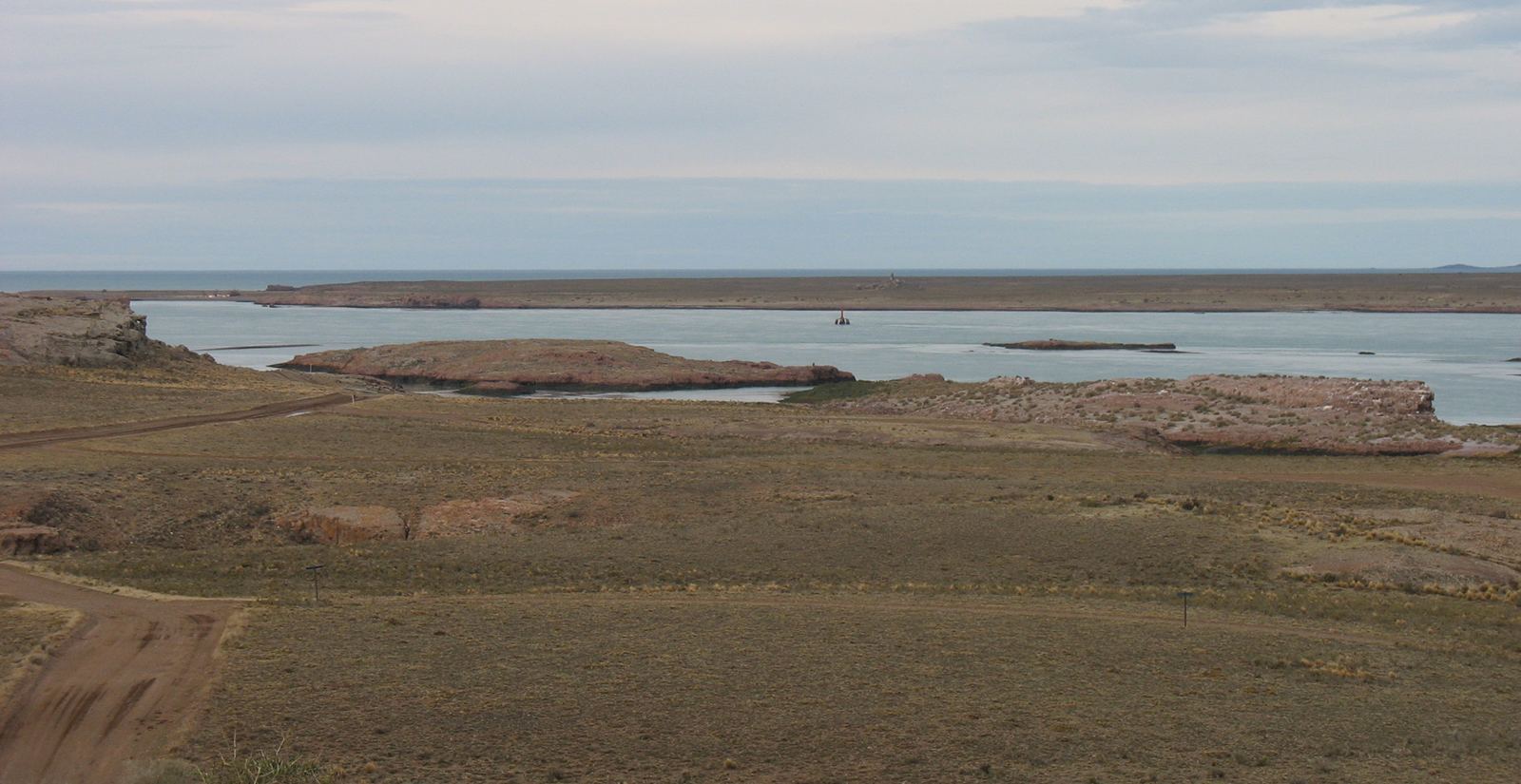
Puerto San Julián is a coastal town in east-central Santa Cruz, on the Atlantic bay of the same name. Many people know it only as a stop on Route 3, but it has something few places in the country can claim: Ferdinand Magellan's expedition arrived here in 1520, and the first Mass in what is now Argentina was celebrated here.
Add to that history a bay with Magellanic penguins and Commerson's dolphins, a coastal circuit of cliffs and lonely beaches, and, about 50 km away, the lowest point in the Americas.
In this guide we cover where Puerto San Julián is, how to get there, what to do and how many days to stay. For places to stay and eat, see the San Julián directory; the general overview is at Puerto San Julián.
Where Puerto San Julián is
Puerto San Julián is on National Route 3, about 350 km north of Río Gallegos and about 430 km south of Comodoro Rivadavia. It's a natural stop for anyone driving the Patagonian coast. More details in Where is Puerto San Julián?
| From | Approximate distance |
|---|---|
| Río Gallegos | 350 km |
| Comodoro Rivadavia | 430 km |
How to get to Puerto San Julián
By car
From Buenos Aires it's about three days' driving, almost all on Route 3; Bahía Blanca and Puerto Madryn are good places to spend the night along the way.
By bus
There are long-distance services from Retiro (Buenos Aires), a journey of more than 30 hours. Companies running along Route 3 also stop in San Julián; check companies and frequencies before you travel.
By air
The usual option is to fly to Comodoro Rivadavia or Río Gallegos and continue overland.
A bit of history
The written history of Patagonia begins in this bay:
| Year | Event |
|---|---|
| 1520 | Magellan's expedition arrives to spend the winter. On 1 April the first documented Mass in what is now Argentina is celebrated. |
| 1783 | The order is given to abandon the Spanish colony of Floridablanca. |
| 1834 | Charles Darwin passes through the area aboard the Beagle, under the command of FitzRoy. |
| 1901 | On 17 September San Julián is founded as a town. |
Magellan's men called the region's original inhabitants, the Tehuelche, “patagones”, and that's where the name Patagonia comes from.
Things to do in Puerto San Julián
Climb aboard the Nao Victoria replica
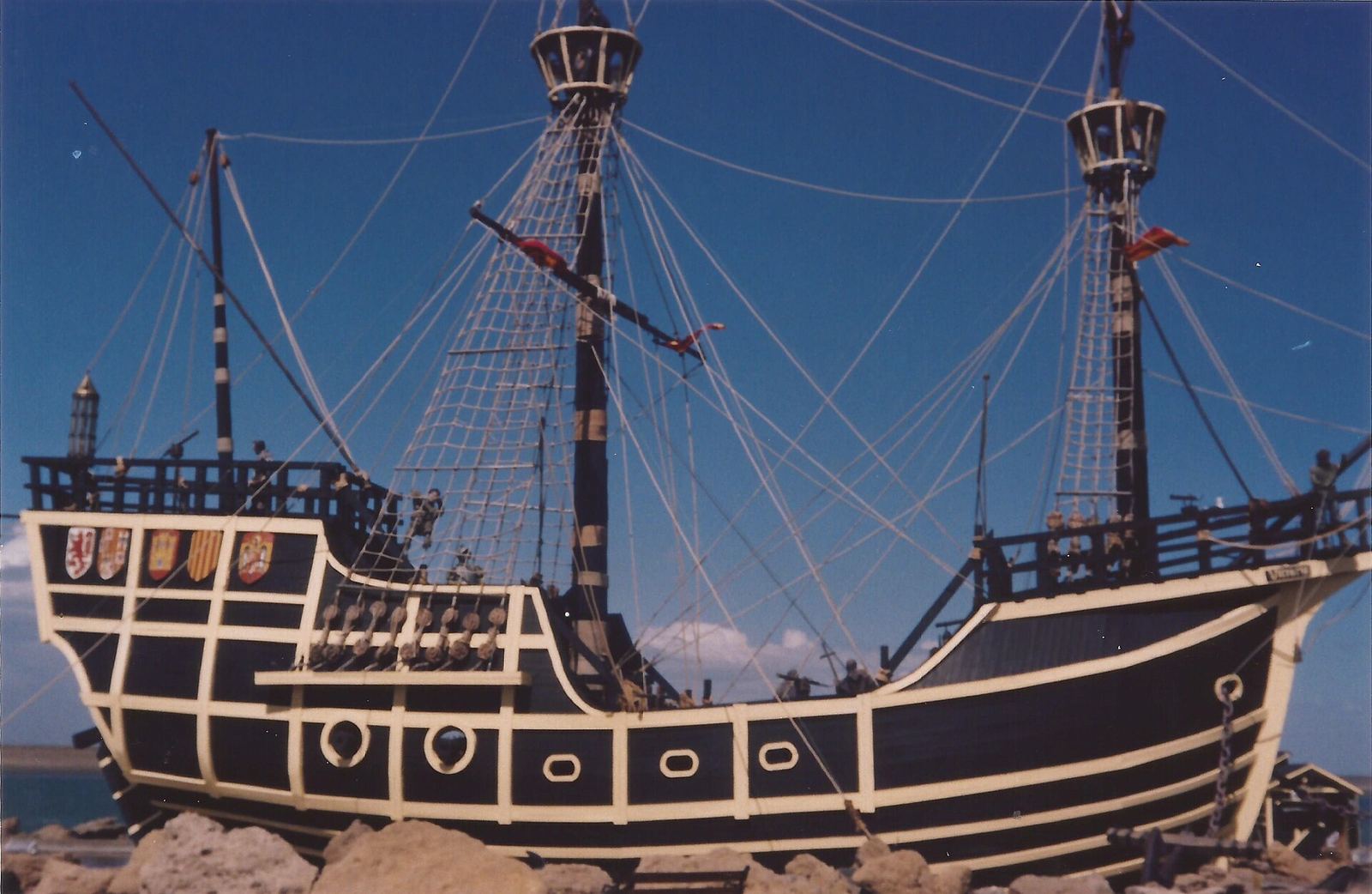
The Nao Victoria Theme Museum is housed in a full-scale replica of the Nao Victoria, the ship in Magellan's fleet that completed the first circumnavigation of the globe. Surround sound, replica navigation instruments and crew figures show what sailors' lives were like in the 16th century. It's the town's best-known attraction and an ideal visit with kids. It's at Av. San Martín and Costanera; opening hours and admission: check before you travel at Turismo Puerto San Julián (municipal) – ¿Qué visitar?.
See Punto Cero and the First Mass Monument
Next to the museum is Punto Cero (Point Zero), which symbolically marks the start of Patagonia. Close by is the First Mass Monument, commemorating the celebration of 1 April 1520. The walk also takes in the Plazoleta Héroes de Malvinas.
Visit the Rosa Novak de Hofmann Pioneers Museum
The museum holds remains linked to Magellan's expedition and an archaeological exhibit. It's a good way to understand how the town was settled. Opening hours: check before you travel at Turismo Santa Cruz – Puerto San Julián.
Sail the bay: penguins and Commerson's dolphins
The boat trip around San Julián bay passes Penguin Island (Isla de los Pingüinos), home to a Magellanic penguin colony, and Isla Justicia with its birdlife. During the trip you'll often see Commerson's dolphins, small black-and-white dolphins that like to swim alongside the boats. Everything depends on wind and tide; operators are listed on the municipal adventure and sports page and in our directory.
Drive the Coastal Circuit
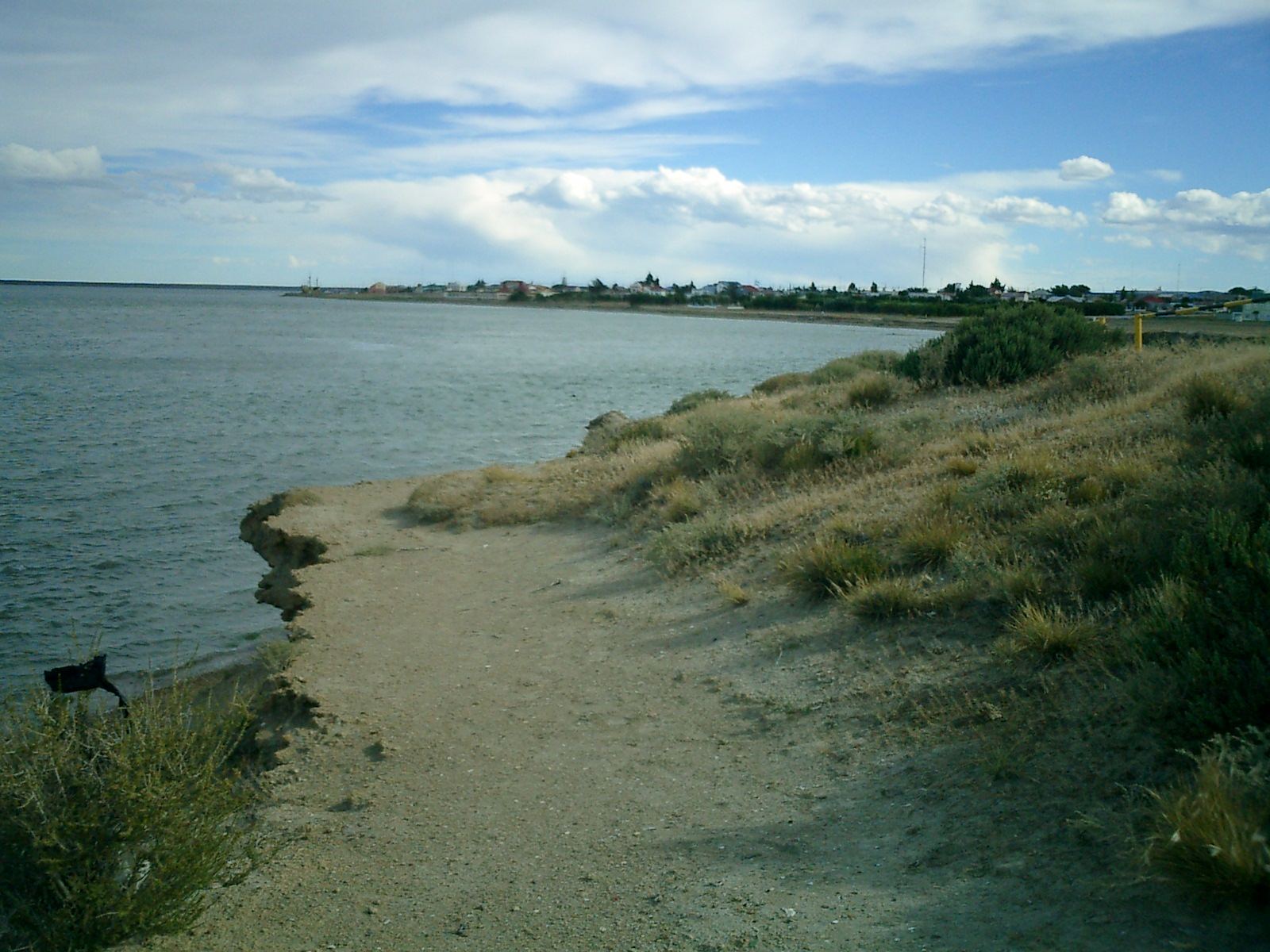
The Coastal Circuit runs past cliffs, quiet beaches and lookouts south of town. You can do it by car, stopping to walk and take photos, and the province has an official audio guide. It's especially beautiful at sunset, when the light drops over the bay.
Go to Laguna del Carbón, the lowest point in the Americas
About 50 km from town, in the Gran Bajo de San Julián, lies Laguna del Carbón: between 105 and 107 meters below sea level, depending on the time of year. It's the lowest point in the Americas, deeper than Death Valley in California (86 m below sea level). It's a landlocked salt lagoon that leaves white salt flats as it evaporates, and the province has declared it a Natural Monument.
Before you go, keep in mind that:
- It's reached on unsignposted gravel roads that cross private land.
- A 4x4 vehicle and GPS are recommended.
- There's no tourist infrastructure, cell signal or internet.
- You must notify the local Tourism Office before setting off.
How many days to stay
One to three days is enough. In one day you can do the Nao Victoria, Punto Cero, the town center and the Coastal Circuit. A second day adds the boat trip on the bay, and a third the excursion to Laguna del Carbón.
Travel tips
- Clothing: the climate is cold and dry, with strong wind. Bring warm clothes and a windbreaker, even in summer.
- Route 3: distances are long. Fill up before every stretch.
- Excursions: boat trips depend on the wind and sea conditions. Book ahead and keep a spare day.
- Laguna del Carbón: don't go without notifying anyone or without a suitable vehicle.
Frequently asked questions
Where is Puerto San Julián?
On the Atlantic coast of Santa Cruz, on National Route 3, about 350 km north of Río Gallegos and 430 km south of Comodoro Rivadavia.
Why is Puerto San Julián a historic place?
Because Magellan's expedition wintered there in 1520, and the first documented Mass in what is now Argentina was celebrated there on 1 April of that year.
Can you see penguins in Puerto San Julián?
Yes. The boat trip around the bay visits a Magellanic penguin colony on Penguin Island (Isla de los Pingüinos).
What is Laguna del Carbón?
It's the lowest point in the Americas, between 105 and 107 meters below sea level. It lies in the Gran Bajo de San Julián, about 50 km from town.